Anxiety, Stress & Overwhelm
Understanding anxiety, settling the system, and creating lasting change
Anxiety can feel confusing, frightening, and exhausting. For some people it arrives suddenly. For others it builds gradually over time. It can show up as constant worry, physical tension, panic, shutdown, or a sense that something is always wrong.
The Mind Works approach to anxiety starts from a simple position:
anxiety is not random, broken, or meaningless. It is a response from your system, shaped by stress, experience, and how your nervous system has learned to protect you.
This page explains how anxiety is understood within Mind Works, and how the Anxiety, Stress & Overwhelm course supports change.
How Mind Works Understands Anxiety
Anxiety is not treated as a fault to eliminate or a symptom to suppress. It is understood as a protective response that has become overactive or misdirected over time.
Your mind and body are constantly scanning for safety. When pressure, uncertainty, emotional load, or unresolved experiences accumulate, the nervous system adapts. Anxiety is one of the ways it tries to help.
Change begins with understanding what your system is responding to, and learning how to create safety, clarity, and regulation again.
9 Things You Need to Know About Anxiety
1) There is always a reason why, and it is always protective
Anxiety does not appear without cause. Your system is responding to something it believes needs attention, whether that is stress, pressure, past experience, or emotional load. Even when the response feels confusing, the intention beneath it is protection. Understanding this removes blame and creates room for compassion.
2) Anxiety is as unique as you are
No two people experience anxiety in the same way. Your history, biology, environment, and subconscious beliefs shape your patterns and emotional responses. This is why comparison rarely helps. Your system is individual, and your path to feeling steadier will be individual too.
3) It rises and settles over time
Anxiety moves. It builds, peaks, fades, and returns in different intensities. Even in difficult moments, the state is temporary. Recognising this natural rhythm helps reduce fear of the feeling itself and supports grounding.
4) Anxiety functions as an alarm system
Anxiety acts as a signal that something feels uncertain, threatening, or overwhelming. Sometimes it reflects a current situation. Sometimes it echoes earlier experiences that shaped your sense of safety. Either way, the signal is asking for support, not judgement.
5) Anxiety is both physical and psychological
Tension, racing heart, nausea, dizziness, tightness in the chest, restlessness and fatigue are natural physiological responses. Your body and mind are connected. Anxiety is a real biological state, not something imagined or exaggerated.
6) It is not always fight or flight. Freeze is common too
Some people feel activated and restless. Others shut down, feel blank, stuck, spaced out, or disconnected. Freeze is a natural response when the system feels overwhelmed. It is protective and often misunderstood.
7) Anxiousness is an emotion and completely natural
Anxiousness is part of the human emotional range. Feeling anxious does not mean something is wrong with you. It shows your system is responding to load. With understanding and support, emotional states can shift.
8) Anger can present itself as anxiety
When anger or frustration has not felt safe to express, it can appear as worry, agitation or fear. Anxiety may carry an emotion beneath it. Recognising this brings clarity and reduces internal conflict.
9) Moving through it is how the system resets
Avoidance keeps anxiety active because the system remains on alert. Gentle, supported steps forward allow the nervous system to relearn safety. Change happens through patience, compassion, and gradual exposure to life again.
The Anxiety, Stress & Overwhelm Course
This course is designed for people who want to understand their anxiety properly and learn how to work with their system rather than fighting it.
The course helps you:
-
Understand why anxiety developed
-
Reduce fear of symptoms
-
Settle the nervous system
-
Identify patterns that maintain anxiety
-
Build confidence and steadiness over time
The work is structured, supportive, and paced to avoid overwhelm.
How the Course Works
The course follows The Process of Change, the same framework used across all Mind Works courses.
You will:
-
Recognise recurring anxiety patterns
-
Learn how stress and pressure affect your system
-
Develop awareness of emotional and physical responses
-
Apply tools that support regulation and clarity
-
Build confidence through small, sustainable changes
You can move through the course at your own pace, revisiting sections as needed.
Is This the Right Place to Start?
This course may be helpful if:
-
Anxiety feels persistent or unpredictable
-
You are tired of managing symptoms without understanding them
-
You want practical tools grounded in psychology and physiology
-
You prefer structured learning alongside self-reflection
If anxiety feels urgent, overwhelming, or accompanied by crisis, a Reset Session may be a more supportive first step.
Ways to Work With Me
There’s no single right way to begin. Some people want immediate relief. Others want deeper personal work. Some prefer to learn at their own pace.
The options below are designed to meet you where you are now not where you think you should be.
If you’re unsure which path is right for you, starting with a Reset Session is usually the simplest option.
🔄 Reset Sessions
If you feel stuck, overwhelmed, or at a crossroads, a Reset Session offers a focused pause and a way forward.
In 90 minutes, we work to settle your system, make sense of what’s happening, and create a clear, practical next step.
This is often the best place to start if things feel urgent or tangled.
🧩 1:1 Hypnotherapy
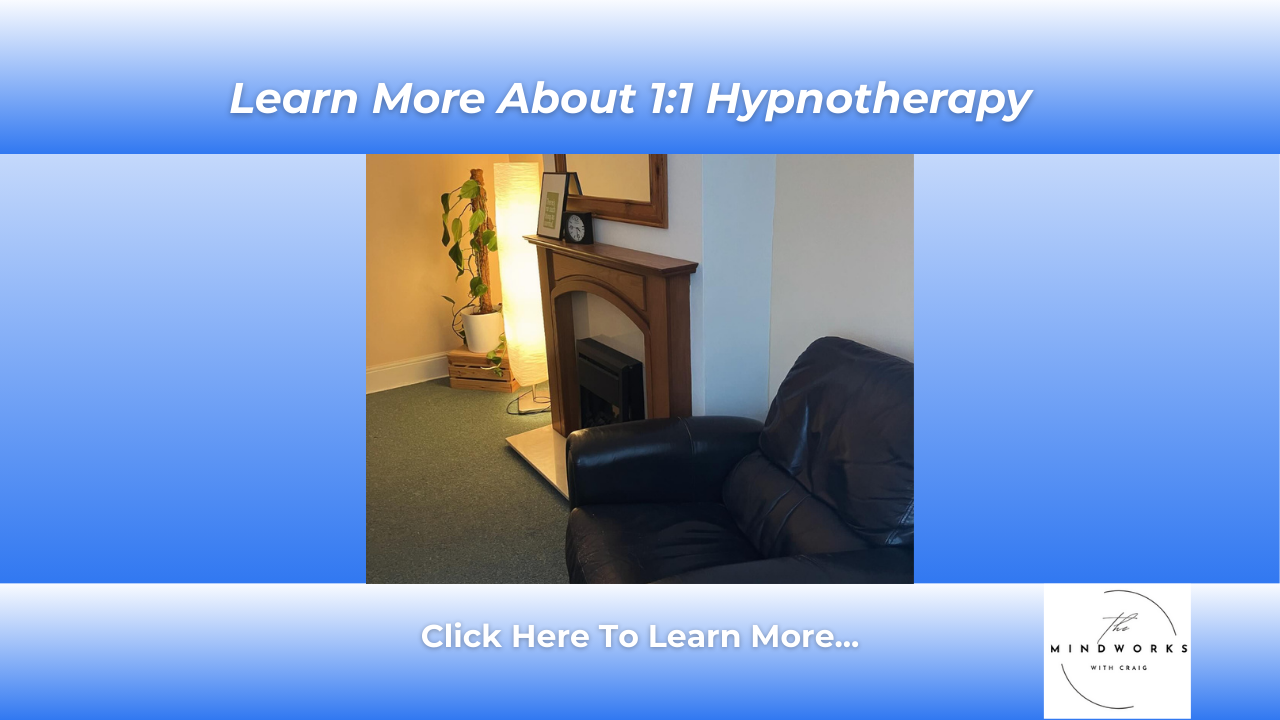
For deeper, ongoing therapeutic work.
These sessions help you explore patterns, beliefs and emotional responses, using hypnotherapy and psychological tools to support lasting change.
This is a good fit if you want space to work through things gradually and properly.

📚 Core Concepts
Explore the Core Concepts that sit at the heart of the Process of Change.
These courses help you understand how patterns form, why you get stuck, and what supports lasting change.
This is a good place to start if you want clarity and structure, with the flexibility to work at your own pace.