The Process of Change – A Roadmap for Transformation
At Mind Works with Craig, the Process of Change is central to everything we do. Whether you’re struggling with anxiety, burnout, procrastination, or looking to break free from emotional eating or addictive behaviours, the process of change remains the same. It’s a framework grounded in neuroscience, psychology, and practical strategies designed to create lasting, meaningful transformation in your life.
But change isn’t something that happens overnight, and it certainly doesn’t happen by chance. Change is a process—a structured, deliberate process that requires the brain’s ability to rewire itself, a concept known as neuroplasticity.
Learn All 7 Stages of the Process of ChangeNeuroplasticity – The Brain’s Natural Ability to Change
Neuroplasticity is at the heart of the Process of Change. It’s the brain’s remarkable ability to adapt, form new connections, and unlearn old patterns of thinking and behaviour. When we engage with neuroplasticity, we give ourselves the ability to create new habits, new ways of thinking, and ultimately, a new way of living.
Think of the brain like a forest. Your current thought patterns and behaviours are like well-trodden paths through that forest—familiar, automatic, and deeply ingrained. In order to create real change, you must “cut new paths” through that forest. This means forming new habits and thought processes while allowing the old, unhelpful paths to grow over. It’s not easy, but it’s absolutely possible. And it’s the process of neuroplasticity that allows us to do this.
However, just like cutting a new path through a forest requires effort, persistence, and a sense of direction, so does changing the way you think and behave. That’s why we break down the Process of Change into six clear stages, each designed to guide you through this journey, step by step.
Learn More About Neuroplasticity (opens new tab)The Seven Stages of the Process of Change
The Process of Change is a structured, repeatable pathway that helps you move from feeling stuck to creating genuine and sustainable transformation. These stages reflect how the brain learns, adapts and reorganises itself through neuroplasticity. When you understand each stage, change becomes far less mysterious and far more achievable.
Below is an overview of the seven stages.
1. Recurring Cycle
Change begins with awareness that something in your life is repeating and no longer serving you.
This may appear as anxiety, overeating, burnout, procrastination or relationship stress.
The Recurring Cycle is not a sign of failure. It is a signal from the subconscious that something requires attention. Recognising this pattern is the first, essential step that brings unconscious processes into conscious awareness.
From here, you move into preparation.
>>> Learn more About the Recurring Cycle (opens new window) <<<
2. Preparing
Preparation creates the foundation for everything that follows.
In this stage, you begin to understand your current position, your emotional bandwidth and your capacity for change. You also learn the importance of stabilising your Pillars of Health so that your nervous system has the safety and structure required for progress.
Many people skip this step, but without preparation, it is easy to fall back into old patterns.
>>> Learn more About the Preparing Stage (opens new window) <<<
3. Observing
Observation is the stage where you learn to see your thoughts, emotions and behaviours clearly and without judgement.
This is where Mental Strength becomes central to your progress. Mental Strength allows you to focus your attention, reduce reactivity and understand what is happening in your internal world.
You cannot change what you cannot observe.
This stage develops the clarity required for insight.
>>> Learn more About the Observing Stage (opens new window) <<<
4. Understanding
Understanding brings depth to the change process.
Here, you explore the patterns that shape your current experience. This includes:
-
the Parts of Self
-
the Psychological Processes of Distress
-
long standing emotional patterns
-
protective responses and internal conflict
The aim is not to blame yourself for the past.
The aim is to understand how your mind learned to protect you and how those patterns may now be keeping you stuck. This insight prepares you for practical action.
>>> Learn more About the Understanding Stage (opens new window) <<<
5. Managing
Managing is the point where understanding turns into action.
It is about taking structured, realistic steps that support a healthier mind and body.
In this stage you work with:
-
the Tower Block
-
the Pillars of Health
-
Gears of Motivation
-
the Pressure Gauge
-
the Scales of Decision
These concepts help you regulate stress, stabilise energy, create routines and make decisions that support long term direction rather than short term relief. Managing is not about perfection. It is about consistency and gentle progression.
>>> Learn more About the Managing Stage (opens new window) <<<
6. Overcoming
Overcoming is where you address the past directly.
This includes unresolved experiences, learned beliefs and emotional patterns that continue to shape your present behaviour.
You work closely with the Map of the Subconscious to understand how negative core beliefs were formed and how they can be reworked. This stage helps you release old narratives, update outdated protective responses and relate to yourself with more compassion.
Overcoming creates the conditions for genuine emotional freedom.
>>> Learn more About the Overcoming Stage (opens new window) <<<
7. Outcome and Growth
Outcome and Growth is the stage where change becomes integrated and sustainable.
Rather than chasing outcomes or relying on willpower, you build new patterns that fit your identity and values.
This stage focuses on:
-
reinforcing Mental Strength
-
developing habits that support long term health
-
creating stability across the four Pillars
-
living in alignment with your True Self
-
maintaining direction, rhythm and fuel
Growth is not about dramatic breakthroughs.
It is about steady, repeated actions that reshape your life through neuroplasticity and emotional integration.
>>> Learn more About the Outcome & Growth Stage (opens new window) <<<
The Role of Mental Strength Across All Seven Stages
Mental Strength is the skill that supports the entire process.
It allows you to focus, to observe without judgement, to regulate emotions and to stay connected to your intentions even when pressure rises. Without this foundation, the mind becomes overwhelmed and old patterns take over.
Mental Strength is not willpower.
It is the ability to work with your brain rather than against it.
It is the tool that helps you engage with neuroplasticity in a meaningful and sustainable way.
Ready to Begin Your Journey
Each stage of the Process of Change prepares you for the one that follows.
You can explore these stages at your own pace, revisiting them as needed and deepening your understanding over time.
A good starting point is the concept of Mental Strength, where you will learn how to develop the clarity and resilience required to work with your mind in a more effective and compassionate way.
Learn More About The Next Core Concept - Mental Strength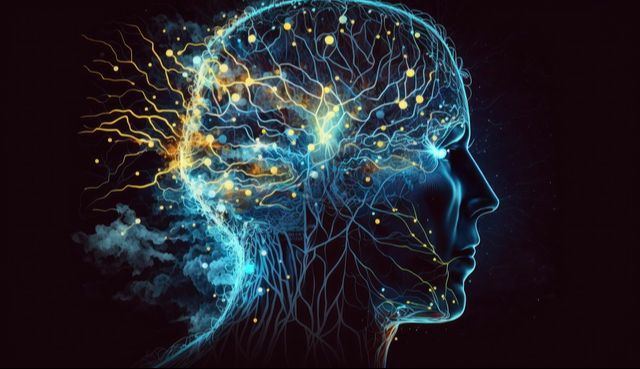
Ways to Work With Me
There’s no single right way to begin. Some people want immediate relief. Others want deeper personal work. Some prefer to learn at their own pace.
The options below are designed to meet you where you are now not where you think you should be.
If you’re unsure which path is right for you, starting with a Reset Session is usually the simplest option.

🔄 Reset Sessions
If you feel stuck, overwhelmed, or at a crossroads, a Reset Session offers a focused pause and a way forward.
In 90 minutes, we work to settle your system, make sense of what’s happening, and create a clear, practical next step.
This is often the best place to start if things feel urgent or tangled.

🧩 1:1 Hypnotherapy
For deeper, ongoing therapeutic work.
These sessions help you explore patterns, beliefs and emotional responses, using hypnotherapy and psychological tools to support lasting change.
This is a good fit if you want space to work through things gradually and properly.

📚 Online Courses
If you prefer to work independently, the courses offer structured, self-paced learning using the same frameworks I teach in sessions.
You’ll gain understanding, tools and clarity, with the flexibility to move at your own speed.
Explore More Weight Loss Insights...
10 Factors That Influence Weight Loss
Weight loss isn’t just about calories. Your metabolism, stress, sleep, and mindset all play a role. Learn how these 10 key factors impact results.
9 Weight Loss Challenges
Most weight loss struggles come down to 9 key challenges that keep people stuck. See how SSRG helps you break free from dieting for good.

What is Simple, Steady, Ready, Glow!
Discover how SSRG creates lasting, natural weight loss through a structured, science-backed system designed to work with your body, not against it.

The Process of Change - Mindset Shift
Weight loss is more than just food—it’s about psychology, habits, and long-term success. Learn how lasting change happens from the inside out.