Hypnotherapy for Alcohol, Dopamine Cycles, Compulsive Behaviours and Habit Change in Colchester and Online ⬇️
Lifestyle habits often begin as a way to cope, unwind or relieve pressure, but over time they can take on a life of their own. You may feel torn between wanting to stop and relying on the behaviour to get through the day. This page helps you understand why this happens and how hypnotherapy can support long term change.
Lifestyle Control: When Habits Stop Feeling Like Choices
Many people arrive at hypnotherapy when they feel as though something has tipped out of balance. Drinking more than planned, scrolling for hours, gambling, overeating, online shopping or other impulsive behaviours often begin as relief, then slowly become patterns that feel harder to control.
You are not weak.
You are not irresponsible.
Your system has been coping the only way it knows how.
Lifestyle habits are emotional strategies long before they become problems. Your behaviour is often a mirror of your internal state, not a sign of poor discipline. Understanding this is the first step towards change.
This page explores why these patterns form, why they persist even when you want to stop, and how hypnotherapy can help you regain clarity, calm and choice.
Understanding Lifestyle Habits ⬇️
Most habits that feel “addictive” are actually attempts to manage emotional overload. When your internal system is stretched, your brain searches for fast relief. This section explains that process clearly so you can stop blaming yourself.

Understanding Lifestyle Habits
Why hypnotherapy often works when nothing else does
Alcohol, scrolling, gambling or any other compulsive behaviour share the same foundation: relief. When you feel stressed, anxious, bored, lonely or emotionally overloaded, your brain looks for something that gives quick comfort or escape.
These behaviours work at first.
They soothe, distract or numb.
But they do not resolve the underlying tension.
Over time the brain starts preferring fast-reward behaviours over slower, healthier ones. This drifts into a Recurring Cycle. You tell yourself you will stop, but the pressure builds again and you return to the behaviour.
Hypnotherapy helps here because it works with the subconscious patterns and emotional drivers behind the behaviour, not just the surface habit.
Why Your System Turns to These Behaviours ⬇️
Your behaviour is not random or self-destructive. It is protective. Your system uses dopamine-based habits to regulate emotion, energy and stress when it cannot stabilise any other way.

Why Your System Turns to These Behaviours
The Tower Block explained simply
To understand these self-soothing behaviours, and perhaps even feeling withdrawn and shutdown; it helps to have a simple way of visualising your internal state.
At The Mind Works we use the Tower Block, which is introduced in the Core Tools Starter course and explored further during hypnotherapy.
Imagine your emotional capacity and physical wellness as floors in a building, you move up and down the floors naturally throughout the course of the day.
The Tower Block is a simple way to understand pain, tension and fatigue. It represents your internal floors of emotional and physical capacity.
-
Top floors: clarity, balance, recovery
-
Middle floors: coping, managing, tension building
-
Lower floors: stress levels spikes, thoughts may become more intrusive or overwhelming, sensitivity increases, emotion intensifies
These behaviours happen for reasons that make sense when you look deeper.
Your system may be using the behaviour to:
-
reduce anxiety or stress
-
interrupt painful thoughts
-
soothe loneliness or emptiness
-
escape emotional overwhelm
-
reward yourself when you feel low
-
feel something when you feel numb
-
shut down when everything feels too much
The behaviour becomes the solution, not the problem.
The real issue is the state underneath it. When that emotional load softens, the behaviour becomes much easier to change. Hypnotherapy works directly with the parts of your mind that are pushing you toward the behaviour as a way to cope.
The Gears of Motivation and Behaviour ⬇️
Your ability to change habits depends on the internal gear your system is in. If you are stuck in survival or comfort gear, long term change feels impossible no matter how much you try. This section explains why.

The Gears of Motivation and Behaviour
Your system moves through three motivational gears:
-
Survival Gear
You are overwhelmed. Your system seeks fast relief. Alcohol, scrolling or other behaviours become shortcuts to feeling less pressure. -
Comfort Gear
You are coping but tired. You choose ease, familiarity and low effort. You use habits to manage discomfort. -
Growth Gear
You feel steady enough to make long-term changes.
You cannot expect Growth behaviours from a system in Survival Gear.
Hypnotherapy helps calm your system, move you up the Tower Block and shift gears so change becomes realistic rather than overwhelming.
The Nervous System Story ⬇️
Your survival states shape motivation, willpower, sleep and tension far more than you realise.

The Nervous System Story
Your nervous system constantly scans your environment. When it detects pressure or threat, it shifts into protective modes:
-
Fight: muscle tension, irritability, emotions become heightened
-
Flight: restlessness, inability to settle or sleep
-
Freeze: stiffness, shutdown, inability to move forward
-
Fawn: overaccommodating others at the cost of your own energy
-
Shutdown: collapse, exhaustion, emotional numbness
Compulsion towards protective and soothing behaviours becomes heightened in these states Sleep decreases.
Tension stays.
Hypnotherapy for emotional and physical regulation helps you exit these patterns by calming the body and allowing the mind to follow.
The Psychological Story Behind Habit Change ⬇️
You may notice that part of you wants to stop the habit while another part keeps pulling you back. This is not a flaw. It is how your internal Parts of Self respond to comfort, pressure and emotional risk.
The Psychological Story Behind Habit Change
Parts of Self, emotional memory and learned beliefs
These are everyday descriptions of the Parts of Self.
At The Mind Works we use a simple model to explain this. Your mind is not one single voice. It is a collection of parts that learned different jobs at different points in your life.
These parts learned to protect you in different ways.
Some parts fear withdrawal from the habit because the habit is their safety strategy. Some parts fear failure. Some parts fear emotional discomfort. Some parts simply want rest.
Understanding this is how behaviour change becomes possible.
-
One part wants progress, growth and change
-
One part wants comfort, ease and certainty
-
One part may simply be anxious, overwhelmed, or tired. Or it may be that there may something from a previous chapter in life that your mind is trying to protect you from
Your system does not react as one single voice. Different parts of you carry different emotional loads and learned patterns. Some parts push you to keep going. Other parts hold tension, vigilance or fear. Some parts carry past experiences and never fully learned how to let go.
You may notice internal messages such as:
-
“I have to stay alert.”
-
“I cannot relax.”
-
“If I stop, everything will fall apart.”
-
“I need to hold it all together.”
These messages can be held deep within the subconscious mind and can come from emotional roles formed earlier in life.
Hypnotherapy helps these parts release pressure, soften old patterns and allow more settled states to emerge.
Why Willpower and Rules Have Not Worked ⬇️
You cannot fix emotional habits with discipline. If your system is overloaded, rules feel threatening and willpower collapses. This section explains why you have not failed and why you need a different approach.

Why Willpower and Traditional Advice Have Not Worked
Why hypnotherapy succeeds where thinking fails
You may have tried:
-
giving yourself rules
-
setting limits
-
deleting apps
-
cutting down
-
promising tomorrow will be different
-
using shame or self criticism
-
distraction or avoidance
These strategies target the thinking mind.
But habits are driven by the subconscious and the nervous system.
When you are on the lower floors of the Tower Block, we all find it much harder to access discipline, consistency or full self-control. When your emotional load decreases, your ability to control the behaviour increases.
Hypnotherapy succeeds here because it works with the protective systems that sit beneath thought and decision making.
How The Mind Works Supports Lifestyle Control ⬇️
Our approach blends hypnotherapy, subconscious work and nervous system tools to help you regain control safely. This is not about restriction. It is about supporting your system so the behaviour no longer feels necessary.

How The Mind Works Helps
A whole system approach to hypnotherapy for habits and lifestyle choices
1. Stabilise your system
We begin by calming the internal pressure using the Tower Block model. When your internal state improves, the behaviour loses its emotional intensity.
2. Reduce the internal alarm
Hypnosis, breathwork and grounding help soothe the reactivity that drives compulsive behaviours.
3. Understand emotional drivers
Using Parts of Self and the Map of the Subconscious, you learn why you return to the behaviour and what emotional need it is meeting.
4. Rebuild behavioural rhythm with DRF
-
Direction: understanding your emotional patterns and triggers
-
Rhythm: daily habits and routines that create natural stability
-
Fuel: supporting your physiology so cravings and urges reduce
5. Create long-term change
Using the Process of Change, you move from Recurring Cycle into Understanding, Managing and Overcoming. You learn how to meet your needs without the habit.
Free Understanding Resource: Core Tools Starter Course ⬇️
If you want to understand your mind more clearly before starting hypnotherapy, the free Core Tools Starter course is a helpful place to begin. It explains the main models that sit underneath this approach.
Free Understanding Resource: Core Tools Starter Course
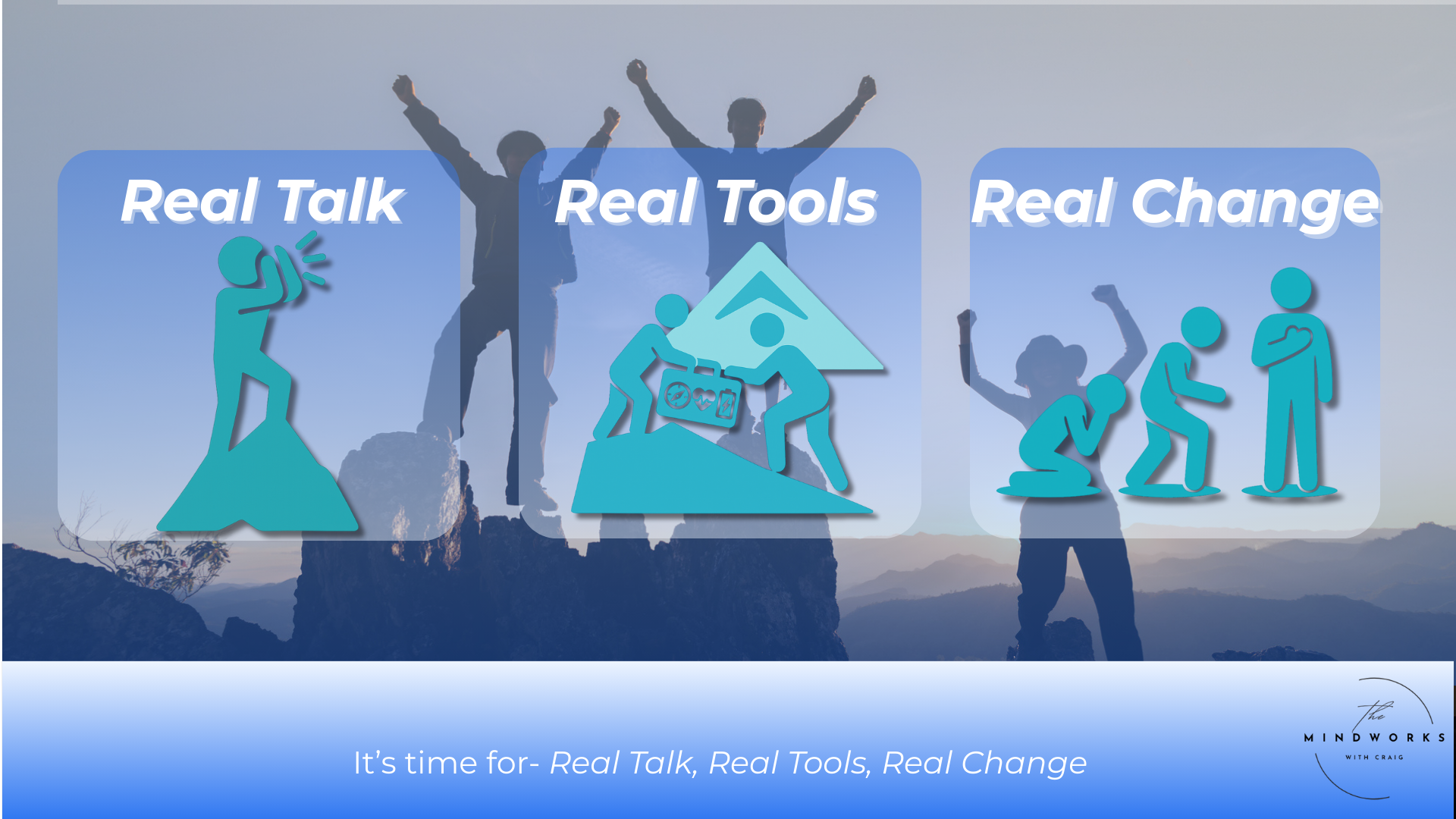
Before starting therapy or hypnotherapy, many people want to understand how their mind works. The free Core Tools Starter course explains:
The Tower Block
Why your mental clarity and emotional bandwidth rise and fall.
Parts of Self
Why different parts of you pull in different directions around action and change.
Mental Strength
How to create space between pressure and response so you can choose rather than react.
You can watch it in your own time with no pressure to complete it quickly.
Access the Free Core Tools Starter Course → >>> Click Here <<<
Ways to Begin Your Lifestyle Reset ⬇️
You can start with one to one hypnotherapy, a focused Reset Session or by exploring the free resources. This section guides you towards the type of support that best fits how you feel right now, whether you need understanding, immediate relief or a deeper reset.

Ways to Begin Your Journey ⬇️
You do not have to fix everything at once. You can choose the form of support that best matches where you are right now.
1. 1 to 1 Hypnotherapy and Therapy
Support for alcohol, compulsive behaviours, dopamine loops and emotional habits.
Book Hypnotherapy in Colchester or Online → >> Click Here <<<
2. Reset Sessions
Targeted 90 minute sessions for al, overwhelm, emotional pressure or habit reset.
Explore Reset Sessions → >>> Click Here <<<
3. Free Resources
Start with the Core Tools Starter course for a clearer understanding of your internal system.
Start Here → >>> Click Here <<<

If you are unsure where to start
The following pages may help:
If you prefer a conversation first, you can message me and we can look at what you are dealing with and what might help.
Contact CraigWays to Work With Me
There’s no single right way to begin. Some people want immediate relief. Others want deeper personal work. Some prefer to learn at their own pace.
The options below are designed to meet you where you are now not where you think you should be.
If you’re unsure which path is right for you, starting with a Reset Session is usually the simplest option.

🔄 Reset Sessions
If you feel stuck, overwhelmed, or at a crossroads, a Reset Session offers a focused pause and a way forward.
In 90 minutes, we work to settle your system, make sense of what’s happening, and create a clear, practical next step.
This is often the best place to start if things feel urgent or tangled.
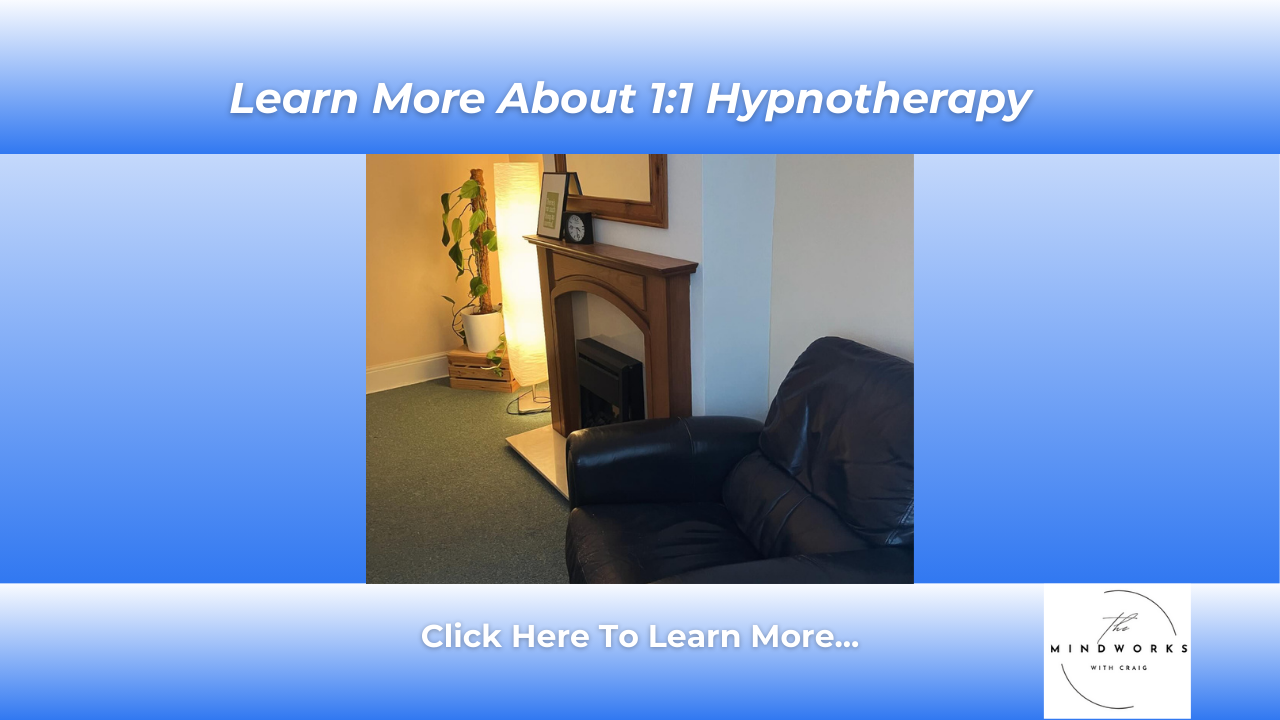
🧩 1:1 Hypnotherapy
For deeper, ongoing therapeutic work.
These sessions help you explore patterns, beliefs and emotional responses, using hypnotherapy and psychological tools to support lasting change.
This is a good fit if you want space to work through things gradually and properly.

📚 Online Courses
If you prefer to work independently, the courses offer structured, self-paced learning using the same frameworks I teach in sessions.
You’ll gain understanding, tools and clarity, with the flexibility to move at your own speed.