The 9 Psychological Causes of Distress
In Mind Works with Craig, the psychological causes of distress are fundamental to understanding why we experience negative emotional states like anxiety, stress, and fear. These causes are often linked to patterns of thinking and behaviour that we’ve developed over time, usually as a result of difficult life experiences. These patterns can become automatic, causing us to get "stuck" in cycles of distress that feel overwhelming and inescapable.
Here, we’ll explore the 9 Psychological Causes of Distress that form the backbone of our approach to understanding and overcoming mental health challenges. When we become aware of these causes, we gain the power to disrupt the patterns that hold us back.
1. Polar Opposite Thought Patterns
Oftentimes, we can have two (perhaps more) sets of thought about the same thing. If you have ever said something like:-
"I don't like my job but I need to pay the bills"
"I love my partner but they drive me crazy sometimes"
"I love my children but being a parent is difficult"
These are examples of "polar opposite thought patterns". When we proactively seek out these polar opposite thought patterns and work to resolve them, we can reduce our distress.
2. Overused Positive Attributes
Positive traits like kindness, generosity, or loyalty can be wonderful. However, when overused, these attributes can lead to self-neglect and burnout. When you overextend yourself for others or set unrealistically high standards for your own behaviour, you may start to experience exhaustion, resentment, or feelings of being taken advantage of.
3. Repressed Self
The repressed self refers to the parts of you that have been pushed aside or hidden away. These are often parts of yourself that you were led to believe are "unacceptable" or "undesirable." When we suppress parts of ourselves for long periods, it can lead to feelings of emptiness, frustration, or even self-loathing.
By understanding and integrating these repressed parts, we can begin to heal and become more authentic, moving closer to the True Self.
4. Protection Mechanisms
Protection mechanisms are automatic responses your mind uses to avoid pain, discomfort, or perceived threats. These behaviours can manifest in ways that might seem harmless or even helpful at first, but over time, they keep you stuck in cycles of distress. The problem is that these mechanisms, while initially protective, often create more problems than they solve.
Common protection mechanisms include:
- Avoidance Behaviours: Avoiding people, places, or tasks that make you feel anxious or uncomfortable.
- Perfectionism: Trying to be perfect as a way to avoid criticism or failure. This can lead to chronic stress and burnout.
- Overworking: Burying yourself in work to avoid confronting emotional issues or relationship problems.
- Procrastination: Delaying tasks that feel overwhelming or fear-inducing, leading to increased anxiety and a cycle of avoidance.
- Shutting Down and Withdrawing Inwards: Shutting down emotionally, often in response to trauma or prolonged stress, to avoid feeling pain.
- Numbing Actions & Behaviours: Using drinking, drogs, or other behaviours to numb emotional distress or avoid facing difficult emotions.
- Distraction: Engaging in constant distraction through TV, social media, or busywork to avoid self-reflection or emotional discomfort.
Protection mechanisms are driven by underlying aversive emotional states like fear, shame, and anxiety. These states activate behaviours that temporarily alleviate distress but prevent long-term growth.
5. Glass Cage
The Glass Cage is a metaphor for feeling "stuck" in life. Even though you can see the way forward and know what you want to achieve, something invisible holds you back. This often stems from fear, low self-worth, or deep-rooted negative core beliefs. The glass cage may feel like you're watching life go by but are unable to break free and take action.
This sensation of being trapped often feeds feelings of helplessness, frustration, and resignation.
6. Maps and Characters vs. Terrain and People
We all carry internal maps of how we think the world works, based on our past experiences. These mental maps are filled with expectations for how situations and people should behave. However, if life doesn't conforms to our internal maps, and this discrepancy creates distress.
In this context, People vs. Characters refers to the way we sometimes cast people in predefined roles—often based on early life experiences with caregivers—and how the reality of those relationships may not match our expectations. This gap between expectation and reality fuels negative core beliefs and reinforces psychological distress.
7. Overestimate Energy/Underestimate Stress
One of the biggest causes of distress is our tendency to overestimate our energy and underestimate the stress we’re under. We often take on more than we can handle, believing that we have the capacity to push through no matter what. However, stress accumulates, and our mental and physical health pay the price.
Many people continue this cycle because they haven't fully recognised how stress affects them, leading to exhaustion, burnout, and feelings of inadequacy when they can’t keep up.
8. External, Existential, and Future-Paced Happiness
This source of distress arises when happiness is tied to external achievements, future goals, or the approval of others. The pursuit of meaning and fulfilment in distant outcomes can overshadow present-moment joys and essential needs like relationships, health, and self-care. This creates a cycle of dissatisfaction, where each accomplishment feels fleeting, and deeper existential questions amplify feelings of inadequacy or disconnection.
9. Attachment to Identity – The Fused-Self Process
One of the more hidden causes of distress is how tightly we cling to certain parts of our identity — especially the roles we’ve used to survive. These roles often began as positive, authentic parts of who we are: the Hard Worker, the Caregiver, the Intellectual, the High Achiever.
But over time, especially after stress, trauma, or emotional injury, these roles can become fused with our Protective Self. They stop being flexible aspects of who we are… and start becoming rigid, compulsive patterns that feel impossible to let go of.
You’re no longer choosing to help others — you’re trapped in the role of Rescuer.
You’re no longer choosing to work hard — you’re locked in the role of Overworker.
You’re no longer challenging ideas for growth — you’re stuck in the role of Contrarian.
This fusion often feels like identity. But really, it’s protection.
We hold onto these roles because, at some point, they kept us safe — earning approval, avoiding shame, or creating a sense of control. Letting go of them can feel like letting go of safety itself. That’s why people stay stuck in burnout, perfectionism, people-pleasing, or emotional avoidance — even when they know it’s hurting them.
The work here isn’t to abandon who you are. It’s to reclaim your identity… without the protective wiring fused into it.
To move forward, we have to gently separate the parts of us that are authentic… from the parts that are just scared.
Up Next: The Pillars of Health ↓
The 9 Psychological Processes of Distress help you understand why your patterns feel so persistent and why certain thoughts, emotions or behaviours keep pulling you back into the same cycles. They show how internal conflict grows under pressure and how your protective parts begin to shape your daily experience.
But psychological patterns never operate in isolation.
They are deeply influenced by the state of your entire system.
This is where the Pillars of Health become essential.
Your mind, body and environment constantly interact. When your physiology is depleted, when your body is under strain, when your sleep collapses or when your environment is overwhelming, your psychological processes intensify. Even the calmest parts of you struggle to hold steady, and the protective parts become louder.
The Pillars of Health explain the four foundations that keep your system stable:
-
your psychology
-
your physiology
-
your physical health
-
your environment and relationships
When these pillars are supported, your emotional floors rise.
Your psychological processes soften.
Your parts of self become less reactive.
Your capacity increases.
When one pillar weakens, the whole system becomes more sensitive, more overloaded and more vulnerable to distress.
Understanding the Pillars of Health shows you how to create the stability your mind needs to function well. It gives you the foundation that allows psychological change to take root rather than collapse under pressure.
Explore the next concept to see how each pillar strengthens your resilience and supports the entire Process of Change.
Learn More About The Next Core Concept - The Pillars Of Health
Ways to Work With Me
There’s no single right way to begin. Some people want immediate relief. Others want deeper personal work. Some prefer to learn at their own pace.
The options below are designed to meet you where you are now not where you think you should be.
If you’re unsure which path is right for you, starting with a Reset Session is usually the simplest option.

🔄 Reset Sessions
If you feel stuck, overwhelmed, or at a crossroads, a Reset Session offers a focused pause and a way forward.
In 90 minutes, we work to settle your system, make sense of what’s happening, and create a clear, practical next step.
This is often the best place to start if things feel urgent or tangled.
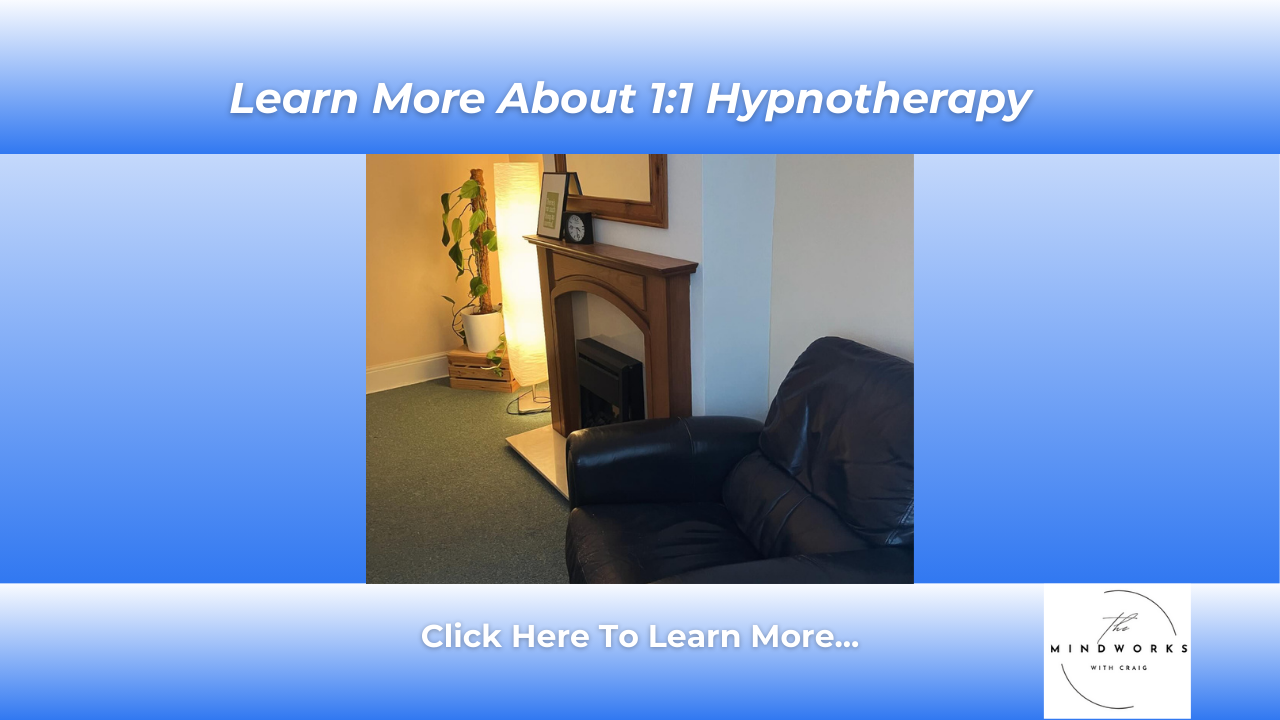
🧩 1:1 Hypnotherapy
For deeper, ongoing therapeutic work.
These sessions help you explore patterns, beliefs and emotional responses, using hypnotherapy and psychological tools to support lasting change.
This is a good fit if you want space to work through things gradually and properly.

📚 Online Courses
If you prefer to work independently, the courses offer structured, self-paced learning using the same frameworks I teach in sessions.
You’ll gain understanding, tools and clarity, with the flexibility to move at your own speed.