How I learned to change the way the mind works - starting with my own
A personal story about anxiety, fatigue, burnout, recovery, and the creation of the Mind Works approach
Scroll to read my story.

Hi, I’m Craig.
If you’ve seen any of my videos on weight, stress, anxiety, or how the mind works, you already know the tone (hopefully) calm, clear, practical.
But what you may not know is why I teach the way I do and why the Mind Works approach exists at all.
For a long time, I lived with anxiety, fatigue, burnout, and a kind of quiet exhaustion that didn’t care how disciplined or determined I was. I pushed harder, worked longer, tried to think my way through it… and slowly watched my system unravel.
Mind Works didn’t begin as a course.
It began as a personal attempt to understand what was happening inside me; psychologically, physiologically, and subconsciously, particularly - when life became too much.
And the truth is, everything I teach today was shaped by lived experience long before it became a framework.
This is that story.
Not told for shock. Not told for sympathy.
Told because it explains the why behind the work and because understanding the system changes everything.
Every struggle makes sense once you understand the system behind it.
Check out the chapter that resonates with you
A personal journey through burnout, recovery, wellbeing and the creation of the Mind Works approach.
How It All Started
These first chapters look at childhood, expectation and the early habits that became my way of dealing with the world. They show the identity I tried to build, the pressure I carried and the coping patterns that kept me going until the party ended and real life caught up.
This section is the set-up for everything that follows and introduces the idea of Acts and Chapters, a core tool in the Mind Works approach that helps make sense of how a story unfolds before it begins to change.

1) Why I Am Telling This Story
Because the work only makes sense when you understand where it came from.
Chapter 12) Where It All Began
Growing up, identity, pressure and the early patterns that shaped who I became.
Chapter 23) Work Hard, Play Harder
The version of me I showed the world, and the one I tried to run from.
Chapter 3When Pushing Through Stops Working
These chapters close Act 1 and open the door to Act 2. They follow the part of the story where achievement becomes a form of coping and challenge feels like the answer. I kept climbing, pushing and setting bigger goals, convinced that strength meant endurance.
Eventually the momentum ran out. Kilimanjaro did not deliver the clarity I imagined, and the collapse that followed felt like hitting the wall in a marathon. What I thought was resilience was really exhaustion, and the space that opened next was the beginning of what I would later call the void.
This section marks the shift from running on effort to confronting the truth. It is the moment the old strategies fail and the real journey begins.

5) Dazed and Confused
The insomnia chapter: adrenaline, exhaustion and physiology collapsing.
Chapter 56) Kilimanjaro Changed Everything… Not How You’d Think
The achievement that revealed the truth I had been avoiding.
Chapter 6Trying Everything Without a Map
These chapters mark my first attempts to understand myself in a different way. After the collapse, I reached for whatever I could find. Counselling, medication, meditation, books, supplements, courses and long periods of self-reflection. I tried everything and anything, hoping something would help me make sense of what was happening inside me.
There was effort and intention, but no structure. I was searching without a map, pulling on threads that didn’t quite join together. This section captures that early stage of change, the messy beginning where you start looking inward but have no idea how to navigate what you find.

9) Just Talking About Stuff Doesn't Help
Understanding why early support relieved symptoms, but didn’t reach the root
Chapter 910) Meditation
Searching for stillness and clarity when everything felt overwhelming and heavy
Chapter 1011) "Just Believe In Yourself More"
When self-esteem is missing, even well-meant advice can feel impossible.
Chapter 11Finding the First Pieces That Fit
These chapters follow the moment when everything I had been trying began to make more sense. After searching in every direction, I started to discover ideas and practices that actually connected to what I was feeling inside. Breathing space created distance from the noise. Learning how the body stores experience explained reactions I had blamed on weakness. Seeing parts of myself as protective rather than broken changed how I understood my own history. Cold exposure showed me that my physiology was not fixed and that I could influence my state from the inside.
This section captures the beginning of real understanding. The scattered attempts of earlier chapters start to form a clearer picture and the foundations of the Mind Works approach start to take shape.

13) Breathing Space
Leaving financial advice created room for clarity, curiosity and genuine change.
Chapter 1314) The Body Keeps The Score
Understanding trauma and the nervous system gave language to experiences I had carried for years.
Chapter 1415) No Bad Parts
The moment I realised the mind is made of parts. That we can listen to ourselves in a different way
Chapter 1516) In To The Cold
When physiology began to reveal its own truths. One cold shower at a time.
Chapter 16Rediscovering What Really Matters
These chapters explore the shift from looking inward to reconnecting outward. Building a tribe meant facing both connection and estrangement and understanding how the people around me shaped the way I saw myself. Music became a thread between past and present, a way of grounding emotion when words were not enough. The fatigued eureka moment revealed that exhaustion was not failure but information, a signal from a body that had carried too much for too long. From there came a simple truth that changed everything. What you eat affects how you think, feel and function, and physiology plays a far bigger role in mental health than I ever realised.
This section marks the point where insight deepens, where life experience starts to align with science and where the pieces of a new understanding begin to fit together.

20) You Are (And Feel) What You Eat
Understanding fatigue, cravings and the foundations of energy
Chapter 20Seeing the Bigger Picture
These chapters bring the journey into focus. As the noise settled, patterns began to emerge. My own experiences and the stories of the people I worked with revealed the same repeated themes, the same cycles of struggle and the same misunderstandings about health, weight and wellbeing. It became clear that weight loss culture was broken and that people were being led away from the very things that would help them heal.
From this came the beginnings of a clearer structure. The master plan was not a moment of inspiration but the slow realisation that change follows a pattern when you understand how the mind and body work together. Direction, Rhythm, Fuel became the simplest expression of that insight, a way of turning everything I had learned into a philosophy that people could use in their own lives.

21) Patterns Emerge
How the Tower Block, Parts of Self and the Pillars of Health took shape.
22) Weight Loss Is Broken
Why mainstream advice fails and why shame-based methods cause more harm
Chapter 2223) The Masterplan
How years of recovery and research became a complete system for lasting change.
Chapter 2324) Direction. Rhythm. Fuel.
A way of understanding your inner systems that puts compassion and clarity above blame and willpower.
Chapter 241) Why I Am Telling This Story
The lived experience that shaped the foundation of Mind Works
Every approach has a beginning, and mine began long before any formal training.
I was trying to understand my own anxiety, fatigue and internal pressure.
Sharing this story offers the clarity behind the work that followed.

Understanding the person behind the method helps the method make sense
Much of what I teach began as an attempt to understand my own patterns, my overwhelm and the periods of exhaustion that shaped my life. I was trying to make sense of anxiety, tiredness and an internal strain that I could not always explain.
By sharing this openly, my hope is to offer context, clarity and steadiness as you move through these chapters.
The Story
What Was Happening Internally
How This Shaped the Mind Works Approach
2) Where It All Began.
The early experiences that shaped the foundations of who I became.
I grew up learning how to adapt to different environments.
I learned to read situations quickly and keep a lot inside.
These early patterns became the groundwork for many of the themes that would appear later in my life.

How childhood patterns quietly shape our inner world
This chapter explores the early experiences that shaped how I coped, how I adapted and how I saw myself.
It introduces the beginnings of the subconscious patterns that influence our thoughts, emotional habits and relationships as adults.
These themes appear throughout the chapters that follow and sit at the core of the Mind Works approach.
The Story
What Was Happening Internally
How This Shaped the Mind Works Approach
3) Work Hard, Play Harder
The years where achievement, identity and escape all moved faster than I could keep up with.
I pushed myself to become the person I thought I should be.
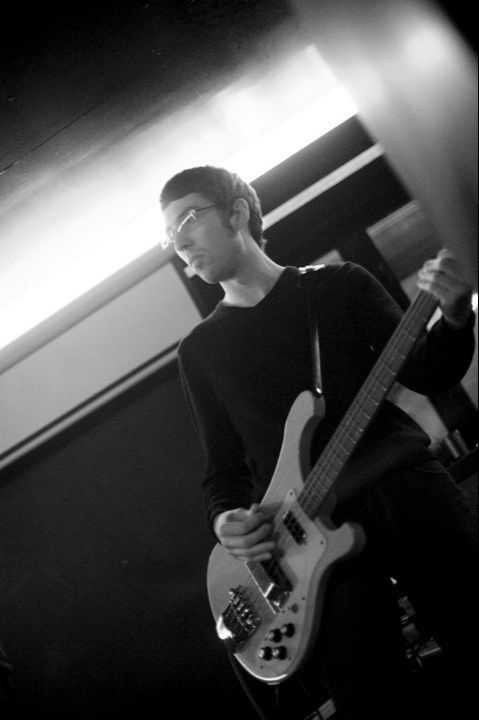
I built momentum through work, music and constant activity.
The faster life moved, the harder it became to hear what was happening internally.


How identity is built from the parts we show the world
This chapter explores the early adult years where achievement, coping and escape blended into one rhythm.
It looks at how multiple identities formed, why they were needed and how they created a widening gap between my inner world and the person I presented to others.
These patterns later became central to the Parts of Self model and the understanding of psychological strain.
The Story
What Was Happening Internally
How This Shaped the Mind Works Approach
4) When The Party Is Over
When the noise stops, the coping strategies become louder.
The pace of my life slowed before I was ready for it.
The habits that once felt harmless became harder to ignore.
Silence revealed truths I had avoided for years.

When distraction ends, the real signals appear
This chapter explores the point where the social world and fast-paced lifestyle fell away, but the underlying coping patterns continued.
It looks at how drinking, people-pleasing and emotional avoidance resurfaced when the noise disappeared.
These experiences later shaped the Mind Works understanding of coping strategies, internal signals and the importance of recognising early signs of distress.
The Story
What Was Happening Internally
How This Shaped the Mind Works Approach
5) Dazed and Confused
When life looks functional from the outside but is quietly unravelling underneath
My pace was increasing even as my energy was collapsing.
I thought more discipline was the answer.
I didn’t realise I was drifting into burnout
The hidden phase of burnout where everything feels “off” but nothing feels obvious
This chapter covers the part of burnout most people overlook - the tired-and-wired stage where insomnia, overtraining, emotional strain and coping habits all blend into a confusing middle ground.
It explores how I kept functioning long after my internal system had started to dysregulate, and how this became the foundation for understanding physiology, motivation and early burnout signals inside Mind Works.
It also sets the stage for why the Kilimanjaro challenge happened at exactly the wrong (and predictable) moment.
The Story
What Was Happening Internally
How This Shaped the Mind Works Approach
6) Kilimanjaro Changed Everything… Not How You’d Think.
The biggest achievement of my life revealed the biggest gap inside me.
I believed goals would fix the uncertainty I carried.
Training became a way to stay in control when everything felt unsteady.
Reaching the summit showed me something I did not expect.

When achievement becomes identity, and identity becomes temporary.
This chapter explores how I used long-term goals to stabilise myself, and how the Kilimanjaro ascent exposed the internal gap that achievement could not fill.
It covers the moment where my goal-driven identity collapsed the second the applause faded.
This experience later shaped the Gears of Motivation and my understanding of how people chase progress for direction, comfort and escape.
The Story
What Was Happening Internally
How This Shaped the Mind Works Approach
7) Collapse
The moment everything I had been holding together finally gave way.
I had been pushing through exhaustion for years.
The warning signs were there, but I couldn’t see them.
Ten weeks after Kilimanjaro, the system I relied on simply stopped coping.

When burnout reaches its lowest level and the system shuts down
This chapter explores the period where my internal world collapsed despite still looking functional from the outside.
It covers the early signs I missed, the slow descent through the Tower Block and the point where my mind and body could no longer keep going.
This experience later shaped the deepest layers of the Mind Works approach: the Void, shutdown, emotional overwhelm and the urgent need for compassion over discipline.
The Story
What Was Happening Internally
How This Shaped the Mind Works Approach
8) The Only Way Out Is Through
Recovery began quietly, long before I had language for what was happening.
Everything felt heavy and frightening.
My thoughts were scattered and my energy was gone.
This was the beginning of a long journey back to myself..

Meeting the truth you have avoided is the first step toward healing
This chapter describes the slow and uncertain start to recovery.
It covers the period after collapse where nothing feels clear, yet small movements begin beneath the surface.
Here you see how the earliest elements of the Process of Change were lived before they were named, and how therapy, honesty and understanding became the first foundations of rebuilding.
The Story
What Was Happening Internally
How This Shaped the Mind Works Approach
9) Just Talking About Stuff Doesn't Help
Understanding why early support relieved symptoms, but didn’t reach the root
I reached out for help because I knew I could not continue the way I was.
I followed every piece of advice available, from medication to CBT to opening up to the people around me.
These steps mattered, and each one offered relief, yet none of them reached the deeper forces driving my distress.
This chapter explores why talking alone was not enough, and why understanding the system underneath my struggles became essential.
The early stages of seeking help, and why they only reached the surface
This chapter covers the first attempts to make sense of my breakdown through the tools I had been told to use.
It includes being diagnosed with GAD and low mood, being prescribed antidepressants, starting CBT and seeking support from family, friends and early counselling work.
These steps helped stabilise the crisis, yet they did not address the internal and external pressures that had been shaping my life for years.
This chapter sits between collapse and rebuilding, showing the moment where I was trying to get better without yet understanding what needed to change.
The Story
What Was Happening On The Inside
The Mind Works Approach
10) Meditation
Searching for stillness when everything felt overwhelming
I began looking for anything that could quieten my mind.
Meditation appeared to offer a way to calm the intensity I was living with.
It helped me reach moments of peace I had never experienced before.
Yet outside those moments, my life had not changed.
First steps into internal awareness
Meditation offered one of my first experiences of genuine calm after the collapse. It showed me that my mind could quieten and that moments of peace were possible, even when the rest of my life felt overwhelming. These early practices opened the door to understanding neuroplasticity and the science behind attention, emotion and internal awareness.
Yet meditation also revealed an uncomfortable truth. I could calm my mind for twenty minutes, but outside of that space, my patterns, stress responses and coping strategies were unchanged
The Story
What Was Happening On The Inside
The Mind Works Approach
11) "Just Believe In Yourself More"
When self-esteem is missing, even well-meant advice can feel impossible.
This chapter explores what it is like to look inward and find nothing solid to stand on.
It describes the moment I realised that my identity was built on roles rather than a sense of self.
And it explains how this experience shaped the foundations of the Tower Block.
When you are asked to strengthen something you cannot yet find
This chapter explores the early stage of recovery where people encourage you to “believe in yourself more,” yet you do not know who that “self” is.
It describes the emptiness that appears when old identities fall away and there is nothing underneath to hold onto.
And it outlines how this experience became central to understanding the void, lower levels of the Tower Block and the core work of rebuilding self-worth from the inside out.
The Story
What Was Happening On The Inside
The Mind Works Approach
12) Inner Conflict
Feeling the shift long before knowing what it meant.
A period where the pressure became impossible to carry in silence.
A time when the plan to end my life revealed how unmanageable things had become.
A chapter defined by quiet conflict and the earliest movements of recovery.

When a breaking point becomes the beginning of change
This was the stage where my inner world had started to shift long before anything changed externally. The decision I made on Christmas night showed me the depth of distress I had been living with. It also revealed a truth I could no longer ignore. Something in my life needed to change immediately. The identities and roles I had maintained for years no longer reflected who I was inside. A more honest part of me had begun to surface, and although I could not recognise it clearly at the time, this moment marked the first step away from collapse and toward rebuilding.
The Story
What Was Happening Internally
How This Shaped the Mind Works Approach
13) Breathing Space
Leaving financial advice created room for clarity, curiosity and genuine change.
I stepped out of a role I could no longer sustain.
The quiet that followed felt unfamiliar, yet grounding.
This was the beginning of becoming a therapist.
The rebuilding phase where space replaces pressure
This chapter explores the first period of stability after collapse.
It covers the quiet, steady shift from survival into curiosity and learning.
Here you see how the earliest shapes of the Mind Works models began forming through lived experience and early therapeutic work with clients.
The Story
What Was Happening Internally
How This Shaped the Mind Works Approach
14) The Body Keeps The Score
Understanding trauma gave language to experiences I had carried for years.
Reading this book changed the direction of my training and my life.
It showed me that trauma is not defined by events alone, but by the imprint they leave on the nervous system.
This chapter explains how that insight shaped the deeper layers of Mind Works.
When you finally discover the vocabulary for your own history
This chapter covers the moment I began training as a hypnotherapist and discovered The Body Keeps the Score.
It explores how I learned that trauma includes the subtle, often overlooked forms of strain that shape a child’s inner world.
It describes how this understanding opened the door to attachment theory, polyvagal theory, EMDR and Internal Family Systems, and how these ideas became central to the deeper layers of Mind Works.
The Story
What Was Happening On The Inside
The Mind Works Approach
15) No Bad Parts
The moment I realised the mind is made of parts, not problems.
Clients were describing patterns I had lived myself, long before I had the words for them.
Understanding these inner parts changed the way I saw human behaviour and the roots of emotional conflict.
This chapter marks the birth of the Parts of Self model inside Mind Works.
When compassion replaces confusion
This chapter explains how the idea of “parts” became central to my work.
It covers the reflections from early client sessions, the influence of Internal Family Systems, and the discovery that inner conflict is not a flaw.
It is how the human mind works.
These insights later became one of the core pillars of the Mind Works approach.
The Story
What Was Happening On The Inside
The Mind Works Approach
16) In To The Cold
When physiology began to reveal its own truths.
The mind was clearer, yet the body continued to struggle.
Cold exposure and breathwork opened a doorway into understanding energy in a new way.
This chapter marks the beginning of the physiological branch of the Mind Works approach.
Discovering the missing piece of the puzzle
This chapter introduces the shift from psychological recovery to physiological understanding.
It explains how cold exposure, breathwork and emerging research on fatigue reshaped how I viewed energy, stress and resilience.
These insights later became foundations within the Pillars of Health and the wider Mind Works framework.
The Story
What Was Happening On The Inside
The Mind Works Approach
17) Build A Tribe
Connection is not optional for human wellbeing.
When isolation deepens, old patterns return and loneliness becomes a quiet pressure.
Rebuilding relationships became a turning point in my recovery.
This chapter explores the importance of belonging and the impact of estrangement.
Why connection became a central part of rebuilding
This chapter explores the period after lockdowns lifted and the emotional impact of emerging from years of withdrawal.
It covers the return of old coping habits, the weight of loneliness and the reality of estrangement.
It also explains how rebuilding relationships shaped the way Mind Works understands connection, safety and community.
The Story
What Was Happening On The Inside
The Mind Works Approach
18) Groove Is In The Heart
Music had always been part of my identity.
Somewhere along the way, I had fallen into silence without noticing.
Reconnection brought rhythm back into my life.
This chapter explores joy, creativity and the return of “soul fuel”.
How reconnecting with music helped me reconnect with myself
This chapter explores the rediscovery of a part of my life that had quietly disappeared during years of stress, burnout and isolation. It covers how music returned during recovery, how creativity shapes wellbeing and how joy became a fundamental part of Direction, Rhythm and Fuel. It also explains how these experiences fed directly into several therapeutic tools used in Mind Works today.
The Story
What Was Happening On The Inside
The Mind Works Approach
19) The Fatigued “Eureka” Moment
The moment I realised motivation was not willpower, it was physiology.
My life was steadier and my mind was calmer.
Therapy gave me clarity I had never experienced before.
This led to one insight that changed the direction of my work forever.

The insight that appears when there is finally enough space to hear it
This chapter explores the period where my new career settled, my wellbeing strengthened and the foundations for the Mind Works models began to form.
It covers the moment a quiet internal truth cut through years of pressure and showed me that motivation is not about discipline.
It is about physiology, overwhelm and the signals we have never been taught to understand.
The Story
What Was Happening Internally
How This Shaped the Mind Works Approach
20) You Are (And Feel) What You Eat
Fatigue showed me that the mind cannot function well when the body is struggling.
Understanding motivation changed how I viewed the entire mind–body connection.
Burnout was not a psychological weakness. It was a physiological signal.
This insight shaped the Pillars of Health and the foundation of my nutrition work.

How physiology, nutrition and energy shaped the next stage of the Mind Works approach
This chapter explores how the Tower Block led to a deeper understanding of physical wellbeing.
It covers the growing realisation that clarity, motivation and emotional balance depend on how the body is fuelled.
Here you see how the earliest ideas behind the Pillars of Health and the Simple, Steady, Ready, Glow model began to form.
The Story
What Was Happening Internally
How This Shaped the Mind Works Approach
21) Patterns Emerge
Different clients, different struggles: yet the same underlying patterns.
The pieces of the approach began to connect in a clear and structured way.
Different clients brought different challenges, yet the same themes appeared again and again.
Mind Works started to take shape as a complete system.

How repeated patterns across clients shaped the structure of Mind Works
This chapter shows how anxiety, stress, emotional habits, weight struggles and everyday wellbeing all pointed to the same internal processes.
It introduces the moment where your therapeutic tools formed a single integrated approach.
It explains why Mind Works became a complete model rather than a set of techniques.
The Story
What Was Happening Internally
How This Shaped the Mind Works Approach
22) Weight Loss is Broken
People were being blamed for something that was never their fault.
As my understanding grew, so did my frustration with mainstream weight loss advice.
People were being judged for problems rooted in physiology, psychology and lived experience.
I knew something different had to be created.

Why weight loss became a central turning point in my work
Why people blame themselves for something that was never their fault.
This chapter explores how my understanding of weight, physiology and emotional behaviour shifted as I worked with more clients. It explains why people blame themselves for struggles that are shaped by biology and lived experience, and how outdated advice created more confusion and shame. This was the point where weight loss stopped being a standalone topic and became integrated into the Mind Works approach.
The Story
What Was Happening Internally
The Mind Works Approach
23) The Masterplan
A journey that became a complete framework for change
Understanding brought clarity.
Lived experience became structure.
Mind Works grew from the pieces coming together.
How everything connected into one approach
This chapter explains how personal recovery, therapeutic training and years of working with clients formed a complete system for understanding the mind and body. It shows how the individual models emerged, how they support one another and why Mind Works now stands as an integrated approach to change. It brings together the final pieces of the story.
The Story
What Was Happening On The Inside
The Mind Works Approach
24) Direction, Rhythm, Fuel
Understanding the forces that shape how we feel and function
Life gives us cards to play.
Some support us. Some test us.
We can learn how to play them with intention.
Seeing the full picture of how life shapes us
This chapter brings together the deeper principles that sit underneath the entire Mind Works approach. It explores how external pressures, internal patterns and physiological responses combine to shape the way we feel and function. Through the metaphor of the card game, it introduces Direction, Rhythm and Fuel as the guiding principles that help us navigate life with clarity and steadiness. This chapter closes my story while opening the doorway for anyone ready to begin their own.
The Story
What Was Happening On The Inside
The Mind Works Approach
Ways to Work With Me
There’s no single right way to begin. Some people want immediate relief. Others want deeper personal work. Some prefer to learn at their own pace.
The options below are designed to meet you where you are now not where you think you should be.
If you’re unsure which path is right for you, starting with a Reset Session is usually the simplest option.

🔄 Reset Sessions
If you feel stuck, overwhelmed, or at a crossroads, a Reset Session offers a focused pause and a way forward.
In 90 minutes, we work to settle your system, make sense of what’s happening, and create a clear, practical next step.
This is often the best place to start if things feel urgent or tangled.

🧩 1:1 Hypnotherapy
For deeper, ongoing therapeutic work.
These sessions help you explore patterns, beliefs and emotional responses, using hypnotherapy and psychological tools to support lasting change.
This is a good fit if you want space to work through things gradually and properly.

📚 Online Courses
If you prefer to work independently, the courses offer structured, self-paced learning using the same frameworks I teach in sessions.
You’ll gain understanding, tools and clarity, with the flexibility to move at your own speed.